


What to wear, phase by phase
Your surgical team will tell you what to wear home from the hospital. Almost no one tells you what comes after.
After breast cancer surgery, what you need from a bra changes every few weeks. At first it has to hold drains in place and protect incisions without pressing on them. A few weeks later, you need to be able to get dressed with an arm you can't lift. Months later, you need something that fits a body that may look and feel different than it did before. This guide follows recovery one phase at a time, from the weeks before surgery through long-term wear. It includes resources for mastectomy, lumpectomy, and reconstruction patients, and for the people helping them.
What to sort out before surgery
Phase 1: Before Surgery
The weeks before surgery are the easiest time to make recovery decisions. Afterward you'll be making them one-handed and on pain medication. These guides start where many people's experience does, with a biopsy. They then cover whether you actually need a post-surgical bra, how the answer differs for lumpectomy and mastectomy, what going flat involves, and how to use insurance or FSA/HSA funds so you aren't paying out of pocket for something you're entitled to.
- The Breast Biopsy: When Our Post-Op Bra Business Got Even More Personal
- Do You Need a Special Bra After Breast Surgery? What Nobody Tells You
- How Long to Wear a Bra After Lumpectomy: Your Pre-Surgery Planning Guide
- Going Flat After a Mastectomy: What to Know Before You Decide and How to Prepare
- Does Insurance Cover Post-Surgical Bras? What to Know About Billing and Codes
- Are Post-Surgical Bras FSA/HSA Eligible? What You Need to Know
The Larissa, Serena, and Shirl are all FSA/HSA eligible through SIGIS certification, so you can pay with pre-tax health savings funds.
Protecting drains and incisions
Phase 2: The Drain Phase & First Weeks Home
Most mastectomy patients come home with surgical drains, which stay in until your surgeon decides output is low enough to remove them. During this phase a bra has three jobs:
- provide gentle, even compression
- keep drain bulbs secured so they don't tug at the insertion site
- open fully in front so you never have to raise your arms overhead
These guides cover drain management, how compression works, and how long it's typically recommended.
- Mastectomy Drains: What to Wear to Manage Your Recovery With Confidence
- How Long to Wear a Compression Bra After Mastectomy
- What Is a Compression Bra? Your Complete Guide

The Larissa was designed for this phase. It has a front Velcro closure, built-in drain management tabs, and internal pockets for puffs or forms. It's FSA/HSA eligible.
Dressing with limited mobility
Phase 3: After the Drains Come Out
Getting your drains removed is a milestone, but range of motion in your arm and shoulder can take weeks longer to return. Reconstruction adds its own timeline, whether that means expanders, fills, or flap healing. After a lumpectomy, radiation often begins during this window, and skin in the treatment area can become tender. Front-closing styles you can fasten with one hand make daily dressing manageable. These guides cover which features matter most, how to choose a closure type, and what reconstruction patients need.
- Mastectomy Bras: Ultimate Guide on the Best Features for Comfort and Recovery
- Velcro vs. Zipper vs. Hook-and-Eye: Which Post-Surgical Bra Closure Is Right for You?
- Reconstructive Surgery Recovery Bras
- Front Closure Bras for Seniors with Limited Mobility
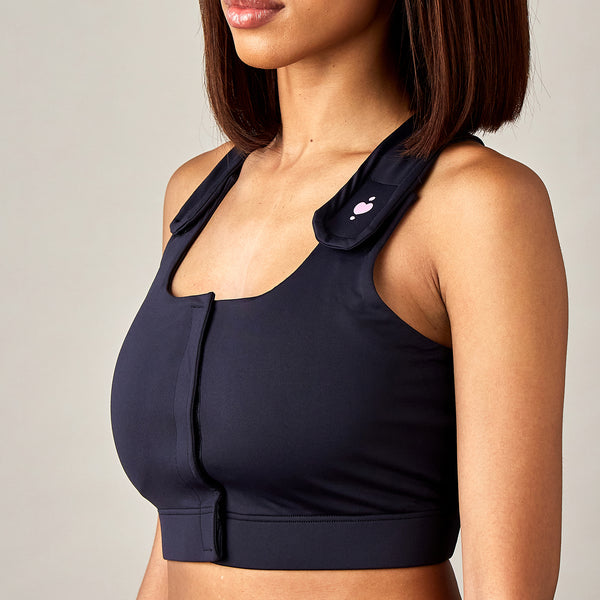
The Serena is made for recovery after the drains come out, or for surgeries without drains. You can fasten its front Velcro closure with one hand, and it works with a shoulder sling.
Clothing for the body you're living in now
Phase 4: Long-Term Comfort & Life After Recovery
Swelling can come and go for months, and energy often takes longer to return than incisions do. Some people choose to go flat; others wear a prosthesis or are between reconstruction stages. What fits in week two may not fit in month four. These guides cover rebuilding a wardrobe, dressing for the body you have now, and what to expect from recovery once the surgery itself is behind you.
- Post Mastectomy Clothing: Guide to Complete Recovery Comfort
- Dressing for Recovery After Cancer Surgery
- Why Fatigue Can Persist Long After Breast Cancer Surgery

The Shirl's double-zipper closure adjusts as your size changes, so it works well for going flat and for long-term everyday wear.
Shop the Shirl Bras for going flat Mastectomy sports bras with pockets
How to show up for someone in recovery
Supporting Someone Through Breast Cancer Surgery
Most people who want to help don't know where to start, and the well-meant gestures aren't always the useful ones. These guides are for partners, friends, and family: what practical support looks like, what to say, which gifts actually help, and how to organize help so the person recovering doesn't have to manage it.
- Breast Cancer Support and How to Care for a Loved One
- The Worst Gifts for Breast Cancer Patients (And What Actually Helps)
- Breast Cancer Gift Registries: Which Platforms Actually Help, and How to Use Them
- Breast Cancer Awareness Bras: Support a Loved One with the Most Comfortable Post-Surgery Bras
- 30 Inspiring Breast Cancer Awareness Quotes for Hope and Healing


