

Support & Resources

American Heart Month, Our Shirl Post-Surgical Bra and What Many Heart Patients May Not Know
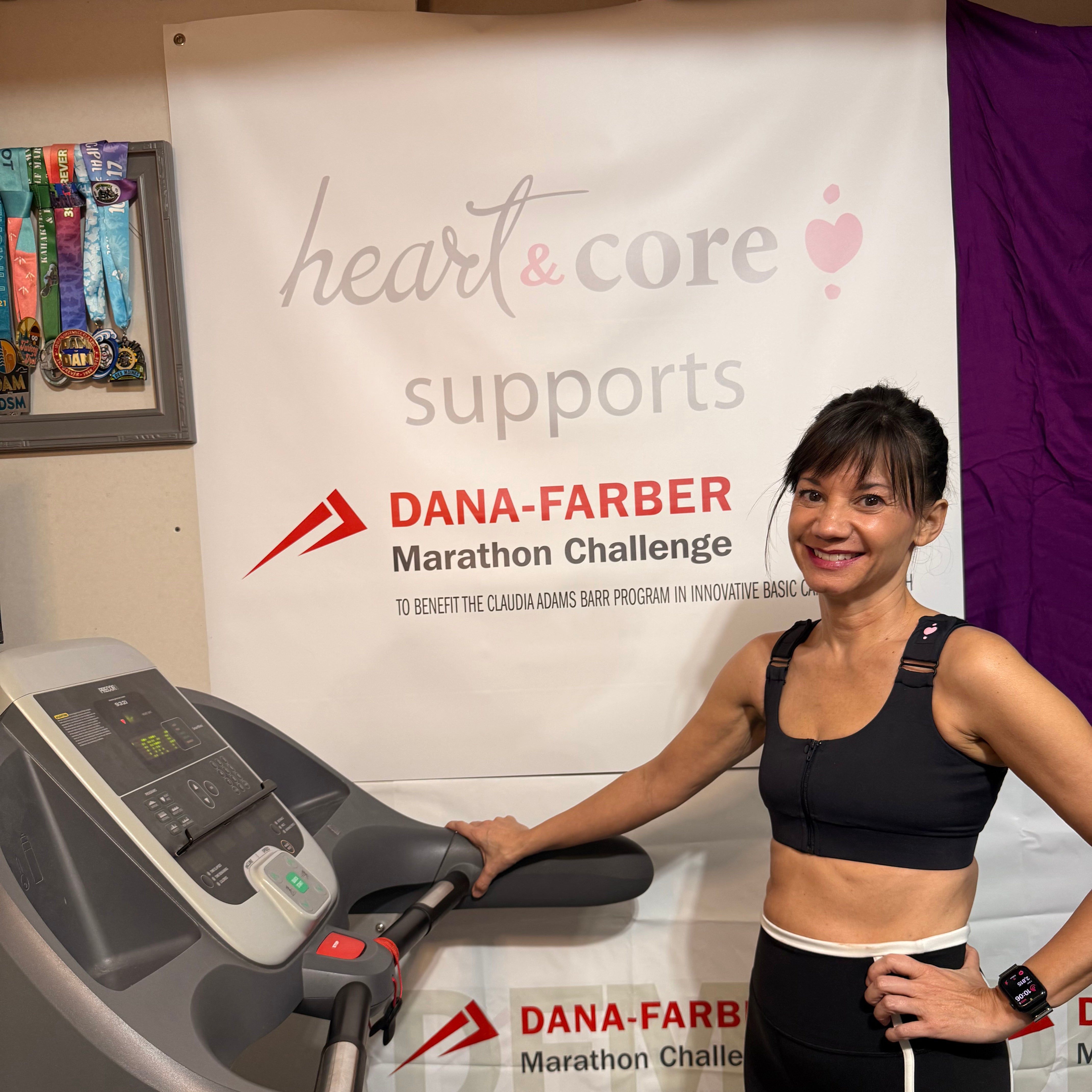
As American Heart Month comes to an end this week, we reflect on how February's "Go Red" theme and the American Heart Association's related awareness efforts are increasingly important for women. We also think about how this has impacted our business and inspired us to create the Shirl Post-Surgical Bra, a one-of-a-kind product created with features to support recovery from heart surgery, as well as other upper body surgeries and those that impact mobility. Until now, many patients struggled to find a zip-up bra that allows for adjustability, essential during the healing phase. According to the National Library of Medicine, “Over 410,000 cardiac surgeries are performed in American women each year.” Many patients are sent home without a product that works for them or with the knowledge that they’ll need a different bra during recovery. The Shirl Bra’s patent-pending double zipper with a snap at top allows the patient or caregiver to secure the bra easily, even with limited mobility. Based on swelling or comfort, the patient can use one of the two front closure zipper options for the right amount of support. Further considering the comfort of a woman after an intensive surgery, there is also a wide band of fabric under the zipper prevents it from rubbing the skin. "As a company, heart&core was launched to support patients looking for comfort and ease during post-surgical recovery," said Jen Swendseid, CEO of heart&core. "We’ve listened over the years to patients and care providers to understand different needs in different types of surgery. This one-of-a-kind bra enables us to add another innovative option to our product line so that each patient can search by the features they need."With breast surgery, it’s a given that a recovery bra is essential. However, with education and awareness, more care providers and surgery patients are recognizing the need for a specialized bra after heart surgery. And while many bras are labeled “post-surgical bras” as a catch-all for all surgeries, the Shirl Bra was designed with feedback from a major medical institution after wear tests on heart surgery patients. With these specific features, the bra is now actively being used or recommended by surgeons who recognize the importance of a post-heart surgery bra.“Our staff and patients love the bras from heart&core,” said Dr. Kelli Pettit of ProHealth Medical Group in Waukesha, Wisc. “Not only are the bras stylish for our patients, they also provide amazing comfort, coverage, and care. The fabric on the bras is very soft, but also gives our patients great support in the areas where they need it most. The bras provide enough coverage without leaving a place for tissue or tubes to get caught or bulge out of place for a discrete fit. This has been great because it makes the bras feel less like a hospital issued garment. The wide range of adjustability of the bra strap width is also a great aspect of the product so that our patients recovering from procedures can be comfortable and secure.”It cannot be understated the importance to wear a bra with just the right amount of support, a front closure to pull the sides together for support, adjustable straps to lift and keep breast tissue in place and not pull on incisions as they heal—the weight of the breast tissue can have a negative effect if not supported. Echoed by the British Heart Foundation’s Heart Matters, “Women should wear a soft, non-underwired bra day and night for the month following cardiac surgery. Weight from the breasts can pull on the new wound, which may slow or compromise healing. And if the breasts shift around, particularly when you are lying down, this can place a strain on the wound.”heart&core’s patent-pending zipper and adjustable straps already serve as points of differentiation from many products, as each patient needs customization for a perfect fit. The Shirl Bra, as well as all of heart&core’s products, include special features to assist in the comfort of the bras: Sporty yet practical racerback design keeps straps from falling Wide, flat band prevents rolling or twisting Medical grade Velcro is soft yet strong Premium fabric blend (95% nylon/5% spandex) is silky soft, strong, antimicrobial, breathable, dries quickly and maintains shape Seamless tag means no itching Universal band sizing up to 60" Beyond heart surgery, those with certain types of breast surgeries, as well shoulder surgeries, now have a solution for comfortable recovery with the Shirl Bra. "We are so excited about this bra, as it perfectly complements our line of post-surgical bras thoughtfully designed with each unique patient in mind,” said Lara Regan, CMO of heart&core. “We’re grateful to have already received positive feedback from patients and hospitals about how this bra uniquely serves heart surgery patients. We know this new bra can support many women facing different types of surgery, and we hope it helps to ease their discomfort during recovery."As with all heart&core bras, the Shirl Bra is FSA and HSA approved, which allows women undergoing surgery to order with their funds. However, this also brings up the need for insurance companies to recognize the need for specialized bras after heart surgery and cover them as part of insurance plans. With breast cancer-related surgeries, patients have at least two bras covered: one to wash and one to wear. Heart surgery patients have the same need for these bras. With a spotlight on the number of these surgeries a year as well as the need for a recovery bra, it would be ideal for this coverage of bras to be extended to other types of surgery, like heart surgery. “While we’re thrilled that people can use their FSA and HSA accounts to purchase our Shirl Bra, we hope this opens the conversation for why heart surgery bras are essential to the recovery process and therefore should be considered for insurance coverage,” Swendseid said. “We’re thankful for our partners who are delivering these bras to their patients, and we hope to expand with more opportunities to help the growing number of women facing heart surgery.”
Learn more
Reflecting on Our Own Breast Cancer Risk: Family Factors and Personal Behaviors
A Message from Lara Each day, we hear stories about women facing breast cancer—from customers, care providers, and our own family and friends. Being in the business of making post-surgical bras, it’s a big part of our conversations. But we’re always talking about other people. Our mom, as our inspiration. Our feedback from patients and partners. Our network telling us about someone they know who’s been diagnosed. It's at my annual mammogram when I’m actually thinking about myself and my own risks. While my sister and I don’t carry the BRCA gene, we do run a risk with a number of family members who have had cancer. With this risk factor, I had been on a path of a yearly mammogram and 3D ultrasound. However, when my insurance changed, I was set back on a path of an annual mammogram alone. My doctor referred me to see a specialist to assess my risk and then take those recommendations to my insurance company. It turns out that our family risk is enough to warrant the most aggressive testing, the specialist explained, which equates to a mammogram and ultrasound every six months and an MRI on the opposite six months. A friend in cancer research confirmed that this is truly the best way to go about it. It was explained to me that, with an MRI, there are risks of false positives, but more often they can find the smallest incidence of cancer, which can be treated to prevent the growth or the spread of cancer. The breast MRI will also be helpful to me, as I have dense breast tissue. I had a lot of questions for the specialist, a lot of concepts that I’d heard over the years, so I took this time to ask. And she in turn asked me about some of my behaviors that could reduce or increase the risk. Here are my main takeaways: Having Children Younger I started my family at an older age, and although this is my path, I had often thought about the idea that women who have children younger lessen their breast cancer risk. My specialist explained that yes, this is the case, but typically for women 25 and under. She said after that age, it really didn’t matter if I was in my 30s or 40s when I started. (I have heard breastfeeding can help too, but we didn’t address that factor.) Exercising Regularly Having been a lifelong runner, I am someone who enjoys exercise. I know it’s not everyone’s favorite thing, but it turns out it really does impact our cancer risk. Being busy with young kids, I started seeing my workouts as a luxury (again, I know not everyone feels this way!), but I stopped factoring time in my schedule. However, I was told that 150 minutes a week can reduce your breast cancer risk. That can even be a rapid walk. And for the real go-getters, 300 or more minutes boosts you even more. I added it back to my schedule knowing that it’s a positive thing to do. Drinking Minimally Again, with young kids, drinking has become less frequent in my life. Early mornings and active days have made a glass of wine less tempting. However, I still do enjoy some wine or beer from time to time. I’ve read it a lot online, but in my appointment with my specialist, she reminded me that drinking daily increases your risk of breast cancer, so even if I’m having a drink from time to time, avoiding that daily glass does have a positive impact. Knowing Our Family History It’s hard to believe that it’s almost been 12 years since our mom passed away. When first filling out forms for my appointment with the specialist, I realized I didn’t know much beyond the diagnosis of my mom, grandmothers and my aunt. I went to my dad for more insight, and fortunately he knew it all—about cancer in his family and my mom’s family. If you haven’t already had these conversations with your family, I encourage you to put together a family history to have on hand for your own knowledge, to take to appointments and to share with other relatives who might need to know to assess risk. Getting Genetic Testing Although genetic testing has evolved so much since our mom’s death, she did get tested for the BRCA gene and found that she didn’t have it, which meant we didn’t have it either. However, I did some other testing and a rare genetic mutation—NBN—was listed in my report. This mutation is not well understood—it appears it can raise the risk for certain cancers, but without much information, it’s just a note in my record. However genetic panels can be very insightful in helping assess risk, so it can be helpful to have it done. Practicing Breast Familiarity Yes, I should be doing monthly self breast exams, but in reality, I’m not. This specialist was a realist—she said she knows that a lot of people aren’t doing that. The one thing she recommended was knowing your breasts so that you’d know if there was a change. And she explained that even though people do find lumps that way, many times it’s too small for someone to feel. So getting to know my breasts is something that will be a priority, even if I’m not doing it on the 1st of every month. Yes, our risks are higher than some and less than some. I wanted to pass on my appointment insights with our readers because there are many of us with a strong family history, many of us who are trying to figure out the right path of prevention and many of us who know we can make some small changes in life that could have an impact. That’s why I’m sharing my story—as a reminder that we can be proactive in different ways to minimize risk and become knowledgeable about ourselves and our families to help us make critical decisions. And my own journey and these experiences bring me back to why my sister and I started heart&core and why we are so committed to creating post-surgery bras for comfort and simplicity when someone is having breast cancer surgery. It is personal. It’s the understanding of what we would want our own loved one to wear that drives our design and our tiny changes in patterns along the way. In making new products based on feedback. We want to make the very best bras for a customer, a patient across the country or our relative who’s sending one to a friend. It’s our mission to make a product that we would want to wear with thoughts to make it simple, comfortable and supportive. We are on this path with you, and we will continue to support you in any way we can.
Learn more
Spotlight on Breast Reduction: A Patient Shares the Broken Process
Recently my friend Meg reached out to me, as she is preparing to have breast reduction surgery and wanted to get some heart&core surgical bras for her recovery. We met for lunch and discussed the process she went through to finally get to this point. We had started this discussion this a couple years ago when she was beginning plans for a reduction. Our talk brought up the always-scary piece to this surgery, as women know this is a big surgery with a lengthy recovery, yet they are so done with having large breasts that keep them from doing the things they love, such as running, or are tired of getting stared at, or just want to be able to find clothing that fits well. Meg explained that she went to a female surgeon for a consult. The surgeon was cold to her and clearly didn’t want to see her. She told Meg she wouldn’t get it covered by insurance, so it wasn’t worth trying. It was not a positive experience, to say the least. Meg and her family were going to be moving back to the city they had lived in for many years, so she decided to wait and talk to another doctor until she returned home. This time she saw a young (“good looking” 😉) male surgeon. Had he not been so nice, she would’ve been completely intimidated by him. One of the first questions he asked was about getting her surgery covered by insurance. Meg explained the last surgeon she met with said it wouldn’t be covered. He thought otherwise and asked, why wouldn’t you try? She left this consult feeling very good about everything, especially since he said he had a department that could contact the insurance company for her. Her insurance company approved her surgery, and she told me she will be having it at the end of the month and is thrilled! One of the first things I told her is that every woman I have spoken to who had a breast reduction said their only regret was not doing it sooner. This leads to the next part of surgery: recovery. We hear women consistently tell us that their surgeon recommends they should just go out and buy a sports bra. A sports bra? That is great for working out, but not for recovery from surgery. Yes, compression and support are needed—but not to the level needed for exercise. And what about drains? If you have drains, like Meg is being told she will, you must be able to manage them as easily as possible. Why? They are gross—the fluid that goes into those is not pleasant to look at and drains are hard to manage if you are using safety pins, lanyards, cumbersome pockets, or rings that swing. Even if you don’t have drains, you will still want something that properly supports you while offering comfort as well. Post-surgical bras are designed just for that. We always recommend getting two bras: one to wash and one to wear. Also, check and see if you can get your post-surgery bras covered by insurance. They may be covered* and, if they are, you can get a prescription from your surgeon/nurse, then go to a local fitting shop so they can handle the billing of them or order online and send in the prescription with the receipt to get reimbursed. If they are not covered, you should be able to use FSA/HSA money to purchase them. All heart&core post-surgical bras are approved for FSA/HSA through sigis.com. *Our Larissa Bra and Serena Bra are designed with pockets, which make them eligible for insurance coverage. For women considering getting a breast reduction, there are a few things to consider: 1. Talk to at least two surgeons so that you have options and are comfortable with the surgeon and their process, because there are different techniques surgeons will use to perform the surgery. If you don’t feel comfortable with the surgeon you speak with or you don’t seem to vibe with them, go visit another one. Also, it helps if you have a referral from a friend/someone you know and trust, but if you don’t, read online reviews to better understand if the surgeon will be a good fit for you. People want and need different things and what is important to you may not be important to someone else. This is a big decision! 2. Talk to the surgeon about getting it covered by insurance. If they can’t/won’t help you with this part of it, they might not be a great fit for you. This is an expensive surgery and there are a lot of out-of-pocket expenses that can occur, including time off of work and buying new clothes to celebrate your reduction! 3. Speaking of recovery, it is important to find out about the recovery process, including how much down time you will have, when you can start doing different activities and how often the surgeon will see you post-surgery. 4. Have a plan for your recovery. Reach out to friends and family that can help with meals, managing children/pets, and assist you during those initial days when you can’t move around much. As I said previously, we’ve only heard women say they wish they would’ve done it sooner, so if you are thinking about it, go get a consult. Do this as a favor to yourself—you deserve it! Make sure you like and get along with the surgeon and have your plans in place for when you come home for your recovery. We will follow up with Meg post-surgery to see how everything went. She was told she is having drains, so she chose to purchase two of our Larissa Bras. There are surgeons who will say their patients don’t have drains or won’t go home with them. If that is the case, we recommend our Shirl Bra, but our Serena Bra would work well too. Do you have any advice to share? If so, please comment below. We love to hear from women who have been through this process, as it can help others!
Learn more
Mastectomy Bras: Ultimate Guide on the Best Features for Comfort and Recovery
Adjusting to life after mastectomy is a journey, and having the right support — quite literally — can bring real comfort during those early days of healing. You'll find that specially designed post mastectomy bras include thoughtful features created with your recovery in mind. The gentle drain holders keep your surgical drains secure without any pulling or pressure, giving you one less thing to worry about. We know that simple tasks like getting dressed can feel challenging at first, which is why these bras come with extra-wide front closures that you can manage easily, even when your movement is limited. The soft compression panels adapt to your body's needs, helping to ease swelling while you heal. Many women find comfort in the specialized pockets that can hold ice packs just where they're needed most. While a bra might seem like a small thing, these caring details can help you feel more secure and supported during this sensitive time in your healing journey. Remember, every step forward is a step toward recovery, and having the right support can make that path a little bit easier. Key Features to Look for in Post-Surgical Mastectomy Bras Internal Pockets One of the most essential features of a mastectomy bra is bilateral pockets to securely hold breast prostheses (breast forms). During the post-op recovery phase, these pockets are critical for holding cooling inserts or ice to help reduce swelling and ease discomfort. As your healing progresses, these soft, secure pockets cradle your breast form gently against your chest, holding it exactly where you need it to feel natural and balanced. Many women find comfort in knowing their prosthesis will stay perfectly in place throughout the day, whether they're leaning over to hug a loved one or reaching up to get something from a shelf. The pockets are thoughtfully crafted with ultra-soft, breathable materials that feel gentle against sensitive skin, and they're positioned to create the most natural-looking silhouette possible. Look for: Made of soft, breathable material Deep enough to fully contain the prosthesis Accessible from both top and side for easy insertion Secure enough to prevent shifting Premium Materials For sheets, high-end cotton is king. For mastectomy bras, cotton blends are exactly what you don’t want. While you still want the fabric to be soft and breathable, premium fabric blends containing nylon and spandex give a silky feel while also being strong, antimicrobial, and fast-drying. This is critical for preventing rashes or other skin irritations, but it's also key for keeping the bra's overall shape. Look for: Moisture-wicking properties to keep skin dry No scratchy seams or tags that could irritate sensitive skin Gentle elastic that doesn't dig into healing tissue Soft but strong medical-grade Velcro® straps Supportive Design Supportive design is crucial in mastectomy bras as it directly impacts both comfort and confidence during recovery and beyond. The key elements of wide, cushioned shoulder straps and a strong underlying band work together to distribute weight evenly, preventing strain on the shoulders and chest area. A higher underarm and neckline coverage provides additional support while concealing any surgical sites or scars, allowing women to move confidently throughout their day. The thoughtful engineering of side panels adds extra security and creates a natural silhouette, ensuring the prosthesis stays in place during daily activities. This comprehensive support system not only offers physical comfort but also provides the emotional reassurance many women need to feel secure and confident in their clothing. Look for: Wide, cushioned shoulder straps to distribute weight evenly Strong band at the base of the bra for stability Side panels to provide extra security and shaping Racerback design Practical Construction The practical construction of mastectomy bras plays a vital role in empowering women during their recovery and daily life. Front closures are particularly important as they eliminate the need for challenging movements that might strain healing tissues or cause discomfort. Adjustable straps and bands ensure the bra can adapt to changes in the body, while pockets for puffs or forms allow you maintain a smooth appearance under clothing, helping women feel confident in any outfit while recovering. The durability of construction is equally crucial – strong, reinforced stitching is essential to reliably support the weight of prostheses throughout extended wear. These thoughtful design elements work together to make the daily process of dressing easier and more comfortable, allowing women to focus on their recovery and daily activities rather than struggling with their undergarments. Look for: Front closure options for easier dressing during recovery Adjustable straps and band for a customized fit Pockets for puffs or forms to smooth and prevent visible lines under clothing Strong, durable stitching to support prosthesis weight Skin-Friendly Features Skin-friendly features are an absolute must in mastectomy bras, particularly because post-surgical areas remain sensitive long after initial healing. The deliberate absence of underwires prevents uncomfortable pressure on surgical sites and scar tissue, while soft lining creates a gentle barrier between sensitive skin and prostheses. The careful minimization of decorative elements isn't just an aesthetic choice – it's a purposeful decision to reduce potential irritation points that could cause discomfort or chafing. Smooth fabric transitions are equally important, as they help prevent any rubbing or irritation that could compromise comfort or healing. These features work together to create a protective, comfortable environment that supports the delicate nature of post-mastectomy skin while still providing the necessary structure and support. Look for: No underwires that could put pressure on sensitive areas Soft lining to protect healing tissue Minimal decorative elements that could cause irritation Smooth fabric transitions to prevent chafing Post-Surgical Features When researching which mastectomy bra is the best, some bras stand worlds apart in their post-surgical features alone. Instead of being a simple compression bra with pockets for prothesis, these post mastectomy bras feature post-surgical components you may not even need until you're headed home from surgery. They're designed for both the healing phase and the recovery phase, and they can have a dramatic impact on your overall comfort following surgery. In addition to front closure capabilities, racerback designs, and internal pockets, one critical component lacking in most mastectomy bras are the ability to support surgical drain bulbs. After a mastectomy, drains are often placed from the surgical site to remove excess fluid buildup in the area where tissue was removed. The drains allow for the continuous removal of this fluid, ensuring that the surgical site remains clean and that the body can focus on healing properly. They help reduce the risk of seromas (fluid collections), minimize swelling, and promote faster recovery by preventing unnecessary pressure on the healing tissues. Even though these drains are only temporary, they can be extremely challenging to manage while they are in place. Choosing a post mastectomy bra with drain management included in the design will make everyday activities like walking, showering, or even sleeping much easier as they are safely secured in place utilizing specialized tabs built into the band of the bra. Some mastectomy bras have pockets for drain management. While this can seem convenient, it can be harder to know when the drain bulbs are full. A tab design allows drains to remain close to the body where you can comfortably manage them while still remaining concealed from view and also easier to know when they are full. Look for: Front closure options for perfect medical compression with a simple and secure closure for every level of mobility Built-in drain management to manage drains comfortably and discreetly Internal pockets for breast inserts, forms, puffs, or ice Seamless tag for no itch design Shop our Post Mastectomy Bras to find the right bra for your recovery journey.
Learn more
Shopping for a Sports Bra for Surgical Recovery? Here’s Why That’s Not Going to Work
You’ve got breast surgery coming up, and you’re told to get a compression bra. You’re shopping the marketplace, and sure, there are a million choices of sports bras that seem to do the trick. They may offer a racerback style so you don’t have to mess with falling straps. You’ll want that. Or a front closure so it’s easy to get off and on. Absolutely. And many will feature soft fabric for comfort. Fantastic. You’re on the right track. But what you may not realize is that you—or your caretaker—will initially be managing drains. If you haven’t thought about that, it’s a pretty gross aspect of surgery. Fluids draining from your body that are not pleasant. Without some sort of drain management, you’re going to make recovery a little harder than it needs to be. And while medical professionals are used to seeing and handling these fluids, you probably are not. So, while a sports bra without drain management may not faze them, you will want a bra that offers more than compression. Read on for important recommendations when it comes to compression bras after surgery. Get a Post-Surgical Bra That Manages Drains Effectively We’ll put it simply, drains are a pain. And there are many “options” for managing them, but if you want simple but effective, you’re going to want to review this list for what not to use: Pins? No! These can easily prick your skin, making them a safety hazard and hard to manage. Lanyards? No. These dangle, disconnected from your bra, making them hard to manage. Loops? No. They swing and easily tangle on clothes and you will not want to mess with untangling the bulbs. Pockets? No. You can’t see how full the bulbs are, which is a big part of the management. What do you want in drain management? Tabs that allow bulbs to hang close to the body so that you can see so that you know when they need to be changed. You want them to be secure yet easy to change. Get a Post-Surgery Bra with Fabric That’s Comfortable and Cooling Sure, cotton is soft, but you and your skin might run warm in recovery. You want breathable, sweat-wicking fabric, so you’ll want to know that the blend is soft, strong and supportive, while easy-to-dry. Post-surgical compression needs to be just right, not quite the stiffness of some sports bras but enough to hold you in place for comfort and support. Get a Surgical Bra with Pockets and Puffs Did you know that your bra for surgery may be covered by insurance? That’s right. If approved, breast surgery patients should be eligible for two to three post-surgical bras covered in their lifetime. One to wash, one to wear, as they recover. These pockets can be used for ice packs, inserts or puffs. While many times you have to buy puffs separately, our Larissa and Serena bras are pocketed and come with a set of puffs, a microfiber-stuffed “pillow” with an opening so, after a mastectomy or any type of breast surgery, the wearer can take out some filling or add it, to create the shape you want. The puffs themselves are created by size to fit each mastectomy bra. Get a Post-Op Bra with a Wide, Flat Band While sports bras are designed for support and style, they are likely to focus on the look for fashion rather than function. A wide, flat band may not be what you want to go running in, but you’re certainly going to want it after surgery when you do not want the band rolling up or twisting. While post-surgical bras can seem to be “a lot of bra,” this is intentional. They serve a very specific purpose: providing comfort and support in that window after breast surgery when you need your bra to work for you in just the right ways. Get a Surgery Bra with Adjustability You’re an individual and one who is about to experience surgery. You want to be able to customize the fit of your bra—straps and closure—to your body. This is a major part of comfort after surgery. You’re going to deal with a changing body, from swelling to sensitivity, with days where you’re going to want to be change up the fit of the bra. Adjustability in the straps allows you to bring your compression bra to the right level of lift and a closure that allows you to tighten or loosen as necessary is essential. Get a Post-Surgical Bra with FSA or HSA Money The best bra for after surgery is one that can be covered by insurance. It’s also a great opportunity to use your FSA or HSA accounts. You won’t want to skimp on the features, but you do want to find and buy one that’s approved for use of these funds. Get Your Larissa or Serena Post-Surgical Bras Before Surgery Our surgical bras have been carefully designed to the last detail for a woman’s needs for comfort, support and convenience. Everything we recommended above has been considered and perfected with the feedback from patients, nurses and surgeons. The Larissa Bra is ideal for surgeries with drains and the Serena Bra is the perfect bra after drains are removed or for surgeries not requiring drains. Make sure to use our sizing chart to find the right size. Looking to buy for someone else? Give an eGift card to easily let them choose and order the surgery bra style that works best for their needs. Get a Post-Surgical Bra with Customer Support Do you have questions? We’ll answer them and help you in any way possible to find the right bra at heartandcore.com. Email us at info@heartandcore.com today. We're here to support you!
Learn more
Giving Thanks: Appreciating the Original Inspiration and Ongoing Support of Our Post-Surgery Bras
As we focus on our continued partnership with Susan G. Komen® and our donation of 20% of all orders placed during November on heartandcore.com to their organization, we share their statistics that are both hopeful and heartbreaking. Statistics like these remind us that that battle against breast cancer is moving forward but also that there is still work to be done: Komen's nearly $1.1 billion breast cancer research investment has made access to care easier for all people through policy and advocacy and direct patient support programs. Komen played a role in the development of all 19 breast cancer drugs approved by the FDA in the last 12 years. In 2024, it’s estimated among women in the U.S. there will be: 310,720 new cases of invasive breast cancer (This includes new cases of primary breast cancer, but not breast cancer recurrences.) 56,500 new cases of ductal carcinoma in situ (DCIS), a non-invasive breast cancer 42,250 breast cancer deaths In the U.S., every 12 minutes someone loses their life to breast cancer. Along with the numbers, Komen’s words shine a light on the importance of community: "Ending breast cancer needs all of us." Those words “all of us” ring true in so many ways. It’s everyone around us that remind us of the reality of the physical and financial struggles when battling cancer, the fact that everyone—patients and caregivers—need support and the challenges of growing a small surgical bra business with the goal of helping those who are recovering from breast cancer surgery or treatment. It’s the reminder we get when we look at the statistics and how we can play a part in helping women, to deliver comfort when they are experiencing and managing so much discomfort. While our mom passed away from breast cancer, her memory and inspiration are what continue to drive us. She was an incredible mom. Patient, kind, loving and selfless. But her giving spirit went beyond her family. She dedicated her life to helping others. As a social worker, her caring and compassionate personality made her stand out amongst coworkers and clients. Her entire career encompassed serving different groups of people, in every capacity from being out in the field, to leading a team and managing programs, to assisting the people running them and benefitting from them. Just one example of her true love for helping others was on a Thanksgiving many years ago, when we were just kids. She invited a client to our family dinner, knowing he had no family of his own to spend the day. Being young, we knew the invitation was important, as she explained his situation, but it’s only years later that we realize how much she cared about each person whose path she crossed. For her, the work was personal, and the compassion was genuine. She took pride in her work, aspiring to do more and even volunteer outside of a career dedicated to others. It was just who she was. It's that devotion to others and willingness to work hard, adapt and power through the hardest situations that stuck with us, it's what inspired us to create a post-surgical bra company that serves women, to keep building it during tough times and to keep changing as necessary to develop and enhance our products to address real needs. This has required nonstop learning, a sense of humor and amazing people around us, much like our mom’s journey through life. The last Thanksgiving we celebrated with our mom was one that stands out. She was uncomfortable, yet staying so positive even when struggling with some side effects. She was smiling, making jokes and hopeful for what was to come. We knew the cancer had spread, but we instead focused on the time together and plans for the future. We had already launched heart&core with her needs helping to develop our first bra, a wireless and supportive sports bra for larger-chested women (not many existed at this time!), and she was so encouraging and committed to her own wellness journey as she worked to maintain her strength. In life, we all face different battles in every aspect, from health to happiness and work and relationships. Our role model showed us that looking ahead was incredibly valuable, that working hard was fulfilling and that learning was to be enjoyed. Sure, she had her hard times, her fears, her frustrations, but her authentic love for life, for people and for giving back are the memories that we hold close to our hearts. This month, as always, we’re thankful we had an amazing mom. We’re thankful that our family can come together and honor her memory. We’re thankful for the people and partners who support us as we work to add to our collection of surgical bras, compression bras and mastectomy bras, making them more accessible to women through different channels, as well as making sure our Larissa and Serena Bras are eligible for insurance coverage and that all of our bras are FSA and HSA approved. We’re thankful for ongoing research and support from organizations like Komen. It’s our desire to celebrate our mom that inspires us to pay it forward and donate money to Komen’s mission to "save lives by meeting the most critical needs in our communities and investing in breakthrough research to prevent and cure breast cancer." When you take time to come together with family or friends this month, what are you thankful for? Who comes to mind as a powerful person in your life? As you think about the people who have supported you on your journey in life, we encourage you to take inspiration from that “village” of people, to give back in ways that are meaningful to you and to celebrate and remember those whose inspiration stays with you, whether they are with you in person or in memory. We wish you a Happy Thanksgiving and thank you, as always, for your support as we work to support you.
Learn more
Giving Thanks: Continuing Breast Cancer Awareness with the People Inspiring Our Surgical Bras
Giving Thanks: Continuing Breast Cancer Awareness with the People Inspiring Our Surgical Bras When October ends, the pink ribbons are not as prominent, and the breast cancer news slows down. But for the approximately 310,720 women will be diagnosed with invasive breast cancer in 2024 alone, and the millions of others who continue their breast cancer battle, the month doesn’t matter. They are focused on the disease day after day, as they deal with discomfort, surgeries and questions about their care. This inspired us to dedicate November, a time known for giving thanks, as a month where we’ll donate 20% of each purchase on our site to Susan G. Komen®. Komen’s commitment to the cause also goes year-round with its MORE THAN PINK Walk®, KOMEN RACE FOR THE CURE® and SUSAN G. KOMEN 3-DAY® , fundraising events that remind us that one person can make a difference. When it comes down to it, we are very well-aware that breast cancer is about the people. The people at Komen whose mission is to “save lives by meeting the most critical needs in our communities and investing in breakthrough research to prevent and cure breast cancer.” The feedback from nurses and surgeons who have reviewed, tested and now use our bras in their practice. The team who helps us create, distribute and promote our surgical bras. And, of course, the people who are bravely moving forward after surgery and treatment for breast cancer, many wearing our bras to help support them in recovery. It's these people who have reminded us of the needs of women going through treatment, surgery or reconstruction, how to help and how to communicate about how we create our recovery bras and why we do it. What’s Different About Our Surgical Bras? The Details When we say our post-surgical bras are designed with the patient in mind, we really mean it. Every aspect was created with purpose because the smallest details do matter: Patented Design with Drain Tabs: Our built-in drain tabs create a management system that really helps patients for many reasons. Secure Velcro tabs allow the patient or caregiver to securely fasten drains close to the body without having them hang down. This makes them easier to access. They’re also close to the body so the wearer can see when they’re getting full instead of being concealed by pockets. We’ve been told many times this is ideal for real-life surgical recovery. Front Closure: Our post surgical bra front closure design is critical when it comes to a post surgical bra, so we took that idea and ran with it. With unusually wide Velcro bands, the patient has room to adjust their fit tighter or looser. If looser, the soft Velcro exposed to the skin won’t rub or irritate it. Adjustable Straps: Our straps fully open, which is a major reason that surgeons want this bra on patients right after they come through surgery. You can simply attach the straps and the front closure, and the bra is secured on the patient. There’s also a long strip of Velcro allowing a custom fit for any shoulder length. Medical Grade Velcro Closures: In the front closure and straps, we chose medical grade Velcro. It’s soft, it’s strong and it’s durable. It lays flat, and while some people may want hook and eye closures down the line, the Velcro is easy for anyone to seal. Sport-Friendly Fabric: Many women wear sports bras regularly because they’re so comfortable, they wick away our sweat and dry quickly. For those who’ve had surgery or treatments, some who may be in menopause or experiencing early menopause as a result, this fabric is a must-have. More than cotton or stiffer fabric, our medical compression bra has just the right amount of compression for post-surgery recovery. Pockets with Puffs: Our surgery bras are also designed with pockets and each of our Larissa and Serena bras comes with a set of puffs, a microfiber-stuffed “pillow” with an opening so, after a mastectomy or any type of breast surgery, the wearer can take out some filling or add it, to create the shape they want. The puffs themselves are created by size to fit each mastectomy bra. This feature is crucial for patients also, because it makes the bras eligible for insurance coverage, depending on their provider. If approved, breast surgery patients should be eligible for two post surgical bras covered in their lifetime. One to wash, one to wear, as they recover. Racerback Design: Straps that fall down are a pain in an everyday bra, and an absolute can’t-have in a surgical bra. Our racerback design eliminates that aggravation and holds your straps comfortably in place. FSA and HSA Approved: We worked hard to get our Larissa, Serena and Shirl Post-Surgical Bras, to be FSA and HSA approved to make them more accessible to women who need them. Wide Variety of Sizes: Women of all different shapes and sizes have the need for a surgical bra; we heard many women say they couldn't find a post op bra that really fits. So we offer ours in a range to cover 28" to 60" in band size. Our adjustable front closure bras and straps help customize the fit. We recommend everyone starts by finding their heart&core size. Why Did We Work So Hard on the Details? The People The breast cancer patient who said she was comfortable when back to work riding the bus not long after surgery, feeling support even on the bumps, like a hug. The woman who tearfully told us that the pockets with puffs in our post surgery bra made her feel more “normal” after her first surgery when her chest was uneven after a mastectomy. The woman who exhibited next to us at an event who told us just how hard it was to move her arms and close her bra around her, so we worked to create the best post surgical bra for breast reduction. The woman who asked if we’d create our bras in black as she had an extended recovery and wanted options. We’re grateful to the many women who we’ve met along the way as we’ve developed our post op bras. It’s about giving patients the option to use insurance or other funds to purchase a bra. It’s about educating women, so they know they’re potentially eligible for insurance coverage to get the right bra for their recovery. It’s about connecting with doctors and nurses to understand what they’re seeing as they work with patients, learning from them and informing them about our products. It all goes back to the story of another very important person: our mom. Her life’s work was about helping others and looking for resolutions, and we are proud to honor her in our work. How Are We Able to Make These Changes? With Support As a small business, we’re able to respond to testing and review by care professionals and women currently going through the process to get feedback and assess changes we can make to our patterns. We’re also constantly looking to innovate and grow in our business, so we’re continually reaching out to providers to get feedback and to those who provide post surgery bras to patients or want to provide information on the best post op bra. We welcome all hospitals, clinics, doctors and nurses looking for new bras to reach out and learn more about how we can work together. This month, we’re partnering with Breasts Are Overrated (BAO), an innovative business founded by a woman currently on her own breast cancer journey, whose chemo collection comes from personal experience. We’ll be featuring some of her products on our site. We’re additionally working with Sleep Again Pillows, another innovative business founded by a breast cancer survivor who wanted more comfort in recovery and designed a unique pillow system for better sleep. You’ll find our products on their site. As always, we support you—the patients, the caregivers, the foundations invested in research, the nurses, the surgeons, the small business owners and innovators, the family and friends. We’re all on this journey together, as we share in a goal for a healthier future, and we’re thankful for the ability to learn, improve and thrive on the path ahead.
Learn more
Breast Cancer Awareness Month: As October Ends, the Work Continues
While Breast Cancer Awareness Month is filled with events, fundraising and the color pink, the work continues beyond these 31 days. For the people recovering from surgery, the people getting treatments like radiation and chemotherapy, the people supporting those actively battling the disease and the organizations dedicated to the cause, we’re reminded that the battle against breast cancer is personal for so many, year-round, every day. As the month comes to a close, we’re also focused on the fact that we’re seeing more survivors and thrivers due to research, testing and support from organizations and individuals actively working to make a change. October was a month of news about breast cancer, including the release of the American Cancer Society’s report on updated facts and figures, studies showing a more common diagnosis in young people, reports on food packaging chemicals linked to the disease, stories about issues with dense breast tissue and statistics about higher rates of death among certain populations. These articles point to the progress being made as well as the areas where there is more work to be done. Here are a few of the key takeaways: American Cancer Society Breast Cancer Facts & Figures: “The breast cancer death rate has dropped by 44% since 1989 because because of advances in treatment and earlier detection, resulting in approximately 517,900 averted breast cancer deaths.” Breast Cancer Risk Steadily Rising Among Young Women: “Although more and more women are surviving breast cancer, the disease is becoming more common, particularly at younger ages. A new report shows the breast cancer rate rose by 1% annually from 2012 to 2021, with even greater increases among women under age 50 and a startling jump even among women in their 20s.” Breast cancer-linked chemicals found in food packaging: Safety tips from experts: “Now, a study may offer an explanation for some of the increase in breast cancers. The study, by the Food Packaging Forum Foundation, based in Zurich, Switzerland, and published in Frontiers in Toxicology, researchers identified 189 potential breast carcinogens in common food packaging materials, 76 of which could transfer from the packaging into the food." Her breast density camouflaged her cancer. She says new FDA regulations are "a gift.": “Under new FDA regulations, all mammography facilities have to notify women of their level of breast density. Until now, this critical piece of information wasn't required to be shared with women, and it can potentially be a lifesaver.” Black women and breast cancer: Des Moines pastor using diagnosis as testimony: “According to the Breast Cancer Research Foundation, Black women have a 38% higher death rate from breast cancer despite being diagnosed at the same rate as white women.” Breast cancer rises among Asian American and Pacific Islander women, and experts aren't sure why: “Nearly 9,000 Asian American women died from breast cancer from 2018 through 2023, compared with about 500 Native Hawaiian and Pacific Islander women. However, breast cancer death rates were 116% higher among Native Hawaiian and Pacific Islander women than among Asian American women during that period.” It was also a month of connecting with other companies who share in our vision and, just as we are thoughtfully creating surgical bras and mastectomy bras, they are creating unique and essential products for cancer patients. Sleep Again Pillows: For those preparing for surgery, the “Better Sleep. Better Healing.” design of this patented pillow system helps patients sleep comfortably on their back. Created by a cancer survivor, this “cocoon of comfort” is recommended by doctors and loved by sleepers. CamWell ® Oncology Care: For those going through cancer treatments or preparing for them, creams to help in healing provide much-needed relief. These oncologist-formulated herbal creams are designed for fast, long-lasting natural results. We’re thankful to have connected with so many important people and companies along our journey this past month — those who are helping move research forward as well as providing support for those who have been diagnosed with breast cancer. And that’s why we continue our work beyond October, with a second month of donations this year to Susan G. Komen®. During November, a month where we focus on gratitude and gathering with family and friends, we will be donating 20% of purchases to this important organization and its vision. Thank you again to all who supported us during this past month with our fundraising efforts and the opportunity to share our heart&core story with more people.
Learn more
Breast Cancer Awareness Month: Post-Surgery Support for the Caregiver
In this month of raising awareness and funds for breast cancer research and for the patients themselves, it’s also important to recognize the caregivers: the family and friends who are assisting with the tough parts of recovery and the everyday tasks that require help in early days after breast cancer surgery. Start by looking around at the people you know who are quietly helping someone, the spouse or close friend, the child or the parent. Unfortunately, these days we all know someone who is probably burning the candle at both ends, who’s tired or emotionally spent or who is struggling to care for themselves while being a caregiver. So how can you support them? Just as a post-surgical bra comforts the patient, the caregiver is sure to appreciate a phone call, a card or kind words to acknowledge what they're going through. However, if you have the money to spend on them, here are some of our favorite ideas for sending comfort: Flowers from a local florist. We are all about supporting small business and working with local growers, so take a moment to look up the florists in their neighborhood, order their favorite flowers and have them delivered with a card that sends words of encouragement and hope. A weighted blanket. Let them cozy up with a blanket that not only warms, it comforts them. There are many to choose from, at lots of different price points, so we recommend shopping a list that reviews them from every aspect, like this one from New York magazine. A gift card to pamper themselves. Whether it’s a new outfit, a spa day or a general gift card that allows them to pick something out, a gift card is easy to send and will certainly bring a smile to their face. Some companies have featured breast cancer awareness themed gift cards that benefit the cause for each purchase. Gourmet soup from Spoonful of Comfort. Customize a warm and wonderful meal for the caregiver with delicious flavors and mouthwatering bread and cookies too. This removes some stress of cooking or grabbing whatever is easy rather than what’s nourishing. Treats from Sugarwish. Let them pick from wine, candies and more with this easy-to-send text or email gift. With various size options for every budget, you can select categories and they simply choose what they want and it’s sent, shipping included. It’s an experience and a gift that they’ll remember. A health tracking device. Sitting with a patient and focusing on their needs can keep the caregiver from moving around to keep their own health in check. While some health trackers may pester us with reminders to move, this is exactly what they may need to care for themselves. From Fitbit to Oura, this Wired listcovers their picks for the best fitness trackers and watches now. A subscription to a meditative app. We all relax in different ways, so while one person may love the Calm app for winding down, another may like to escape with Headspace. We suggest you do a little research and then get them set up with a few months of service. Back to the phone call, card, kind words or message with your gift, it’s hard to know what to say sometimes. Here are some ideas for inspiration: Thank them for their work and how it impacts your life Recognize the challenging aspects of what they’re doing Let them know their efforts are noticed and appreciated Tell them they are doing a great job Remind them they are making a difference Choose a favorite quote that offers encouragement Another gift they’ll appreciate? Just getting to talk while you listen. Whether the patient is recovering from a mastectomy, going through radiation or chemotherapy, healing from a surgery to remove lymph nodes or experiencing other treatments for breast cancer, the caregiver is working to support them physically and emotionally. They too need a shoulder to cry on or an outlet for their own feelings. The gift of your time is just as important as any gift you can send them. However you choose to honor them, they'll truly cherish the fact that someone cares and is taking the time to show it.
Learn more
Breast Cancer Awareness Month: Discover the Resources Available for Screenings and Patient Services
We’ve previously talked about our upcoming participation in the American Cancer Society’s (ASC) Making Strides for Breast Cancer Walk at 7 a.m. October 12 at the Mall of America in Minnesota, as part of our Breast Cancer Awareness Month efforts. Thanks to our generous donors, we’ve surpassed our fundraising goal for this important organization due to the free information and support they offer patients and their family. On that same day, we’ll also be at the Hope Chest Foundation’s new event Pink Wave, taking place 2 p.m.-7 p.m. on October 12 at Back Channel Brewery in Spring Park off Lake Minnetonka in Minnesota. For a similar reason, we wanted to be a part of this event, as the organization gives back directly to the community of cancer patients by offering financial assistance to ease the burdens that insurance doesn’t cover. This is increasingly important as we hear recent statistics of more young women being diagnosed with breast cancer—from 2012 to 2021 the diagnosis rate increased 1.4% annually among women younger than 50. As the ACS notes, 1 in 8 women will be diagnosed with breast cancer in their lifetime. For us, our support goes beyond the product sale. We truly do want to help patients prepare and to give them dignity in their recovery, whatever course of treatment they take. With different styles of post-surgery bras they can use as they heal from surgery, work through the side effects of radiation or move forward after a mastectomy, our small business is able to continue to evolve and expand our product line with real solutions for real people. However, we also want to continue making them aware of the multitude of resources available, including these: Learn About the Hope Chest for Breast Cancer’s Financial Assistance Grants Chat with a Breast Cancer Survivor Get Free Rides to Cancer Treatment Find a Low-Cost or Free Mammogram Near You How to Do a Breast Self-Exam Access Free Emotional Support and Guidance to Resources Our mom was in her mid-50s at first diagnosis, and we saw firsthand the emotional and financial impact. We also saw her as a person who wanted to help others in many different ways throughout her entire life. In her memory, we are proud to be a part of these events in October to join the fight against breast cancer and support individuals in their personal journeys.
Learn more
Breast Cancer Awareness Month: The Story of Our Mom, Our Post-Surgical Bras and Our Partner
The story behind heart&core begins with inspiration from our mom. It was her experience with breast cancer that inspired us to stand up and find a way to support others on their journey. After struggling to find bras during her recovery from a lumpectomy and radiation that were comfortable, supportive and wireless (this was not common 15 years ago!), we quickly realized there had to be a better option and—if we could not find it—we would create it. And in that one shopping trip, an idea was born. That was the launch of our post-surgery bras, which have been refined and expanded with the expertise, insight and innovativeness of patients, nurses and doctors. We looked at every point of contact for the perfect pattern, a wide range of sizes for every body, premium quick-drying fabric, wide bands that don’t roll up, adjustable straps that don’t fall down and a unique drain management design that keeps drains close to your body and easy to see and manage — not hanging, swinging or hidden in a pocket. With a custom fit that feels like a hug, we brought our love to the product. This was also the beginning of our journey of learning about breast cancer — from all aspects. About different treatments, insurance benefits, other supportive products and resources to help patients and their families as they go through this process, as ours did. Sometimes it’s about information and access to help that’s needed right away, in addition to the research and funding for programs. Our understanding of the big picture and all the smaller details led us to the American Cancer Society (ACS). We love that this organization has a vision to end cancer as we know it, for everyone. Through research, information and programs and services, they connect cancer patients with free rides and lodging and a network of survivors. While we focus on breast cancer in October, this association works year-round to support people fighting all forms of cancer and improve their lives. The ACS Making Strides Against Breast Cancer Walk raises funds for lifesaving breast cancer research and advancing health equity through essential programs and services as it brings participants together in more than 150 cities across the country for an important cause. We’re excited to be a part of this event and to connect with the community that has helped us improve upon our bras for women recovering from breast cancer treatments and surgeries. After all, to know this community is to know how we can continue supporting them in unique ways. As we partner with ACS, it's important to us that heart&core shares in the mission to make a difference. For us, that's with every feature and benefit of our post-surgical bras as they make each patient’s recovery a more positive experience. As we honor our mom at the Making Strides walk October 12 at the Mall of America in Bloomington, Minnesota, we hope you join us by signing up for this inspiring event or donating to our fundraiser in honor those you know who have had their own breast cancer journey.
Learn more
heart&core is Making Strides with the American Cancer Society
With the support of many organizations, Breast Cancer Awareness Month in October has become a focus everywhere you look. You see it in professional sports, celebrity endorsements and many of us are actively observing the month right in our own homes. With so many events to participate in, we are all helping with the fight against breast cancer together. This October, we at heart&core have chosen to work with the American Cancer Society (ACS) with a fundraiser for their Making Strides Against Breast Cancer Walk. Our company is a strong supporter of organizations focused on research, advocacy and awareness, and we especially love the ACS’s commitment to supporting patients, families and caregivers. Did you know that the ACS offers services like lodging, rides and transportation and other various programs and services to help people get screenings and rides to treatment? They have invested $5 billion in research since 1946, helping to improve the lives of patients and their families — and to end cancer as we know it. There are Making Strides walks across the country — for us, that local walk is at 7 a.m. October 12 at the Mall of America in Bloomington, Minnesota. We’ll be fundraising to benefit the ACS’s continued efforts to fund breakthrough breast cancer research, provide free information and support, and help people reduce their breast cancer risk or find it early when it may be more treatable. There are many ways you can get involved: Donate to our fundraiser to continue the ACS’s work. Join us by signing up for our event in the Twin Cities or one in the 150 participating communities. Volunteer year round to help and build quality relationships with people who need your help. As we all work in our own way to support breast cancer patients, from creating post-surgical bras with patients in mind to services that help them get the treatment they need, working together is how we can make a difference. However you decide to get involved, we appreciate your support as we all join together to fight breast cancer.
Learn more